
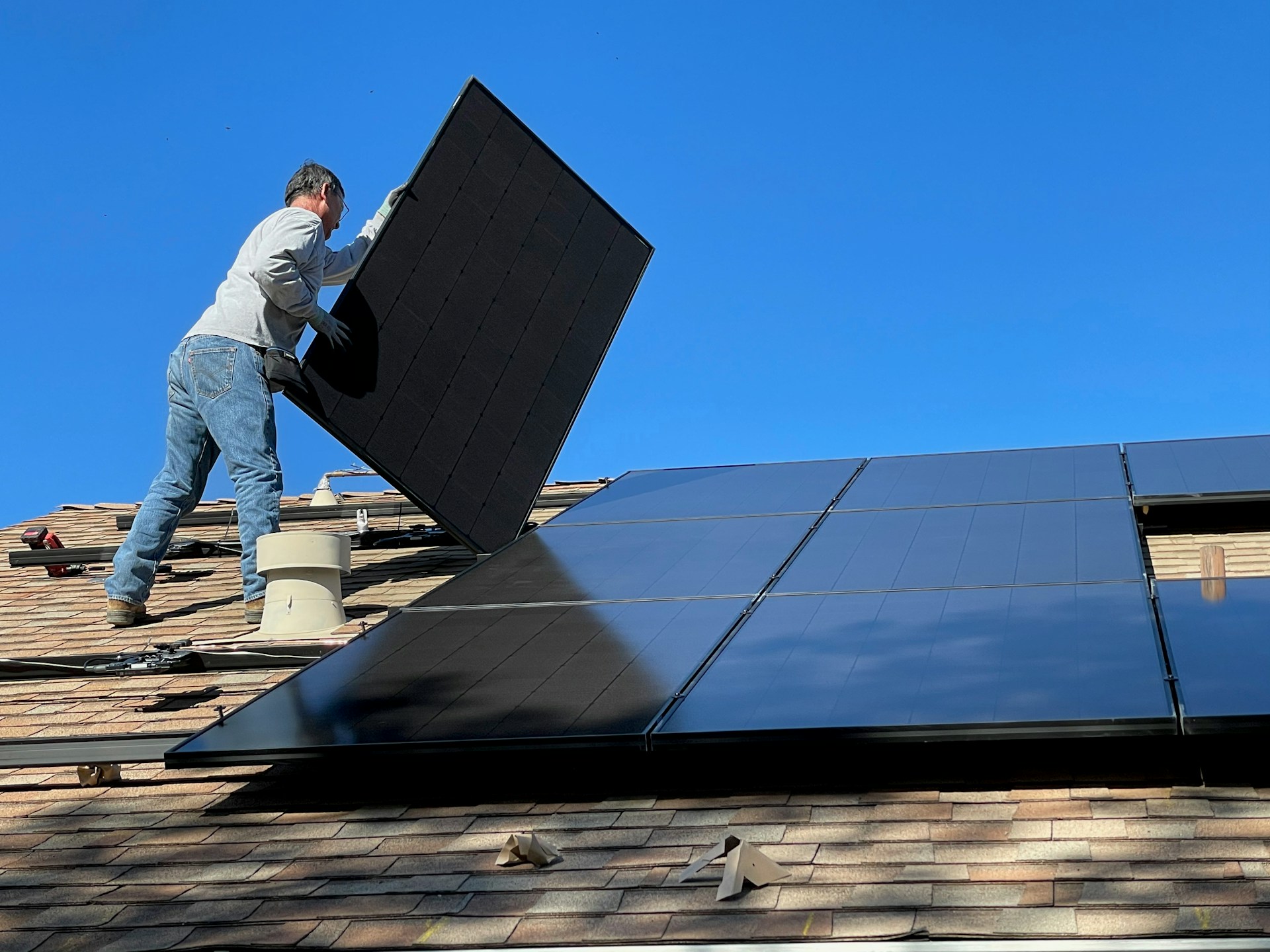
Installing a solar energy system involves much more than placing panels on a roof. Every property has different characteristics that influence how well a solar system will perform over time. Roof design, sunlight exposure, structural condition, electrical infrastructure, and surrounding environmental factors all play important roles in determining system efficiency. That is why the best solar company in Malaysia will typically begin every project with a detailed site assessment before recommending a solar solution. This evaluation helps determine whether a property is suitable for solar energy and guides the design of a system that matches the home’s needs. Understanding why solar companies perform detailed site assessments before installation highlights the importance of careful planning in achieving reliable long-term solar performance.
Evaluating Sunlight Exposure
 Solar panels rely on direct sunlight to generate electricity efficiently. Before installation begins, solar professionals carefully evaluate how much sunlight reaches the property throughout the day. The assessment considers the roof’s orientation, slope, and seasonal sunlight patterns. Nearby trees, neighboring buildings, utility poles, or other structures may create shading that reduces solar production. Even partial shading can affect the performance of certain panel configurations. By analyzing sunlight conditions before installation, solar companies can determine the most productive locations for the panels and estimate expected energy generation with greater accuracy.
Inspecting Roof Conditions
The roof serves as the primary foundation for most residential solar systems. Its condition directly affects both installation quality and long-term system stability. During the assessment, technicians inspect roofing materials, structural integrity, age, and overall condition. A roof approaching the end of its service life may require repairs or replacement before solar panels are installed. Installing a solar system on a damaged roof could create unnecessary complications later if roofing work becomes necessary. Evaluating the roof beforehand helps homeowners avoid future disruptions while supporting safe and reliable installation.
Reviewing Electrical Systems
Solar panels produce electricity that must integrate safely with the home’s existing electrical system. A detailed site assessment includes reviewing the property’s electrical infrastructure to verify compatibility. Technicians examine electrical panels, wiring, circuit capacity, and available connection points. Older homes may require electrical upgrades before a new solar system can operate safely and efficiently. Understanding the condition of the electrical system allows installers to recommend any necessary improvements before installation begins. Proper electrical planning supports long-term system reliability while helping meet applicable safety standards.
Identifying Installation Challenges
Every property presents its own installation conditions. Some homes have multiple roof sections, steep slopes, limited access, or architectural features that influence equipment placement. Site assessments allow installers to identify these challenges before work begins. Early planning helps determine the safest installation methods, equipment requirements, and project timeline. Identifying potential obstacles in advance reduces the likelihood of unexpected delays during construction. A well-prepared installation process benefits both homeowners and installation teams by improving overall project efficiency.
Designing the Right System Size
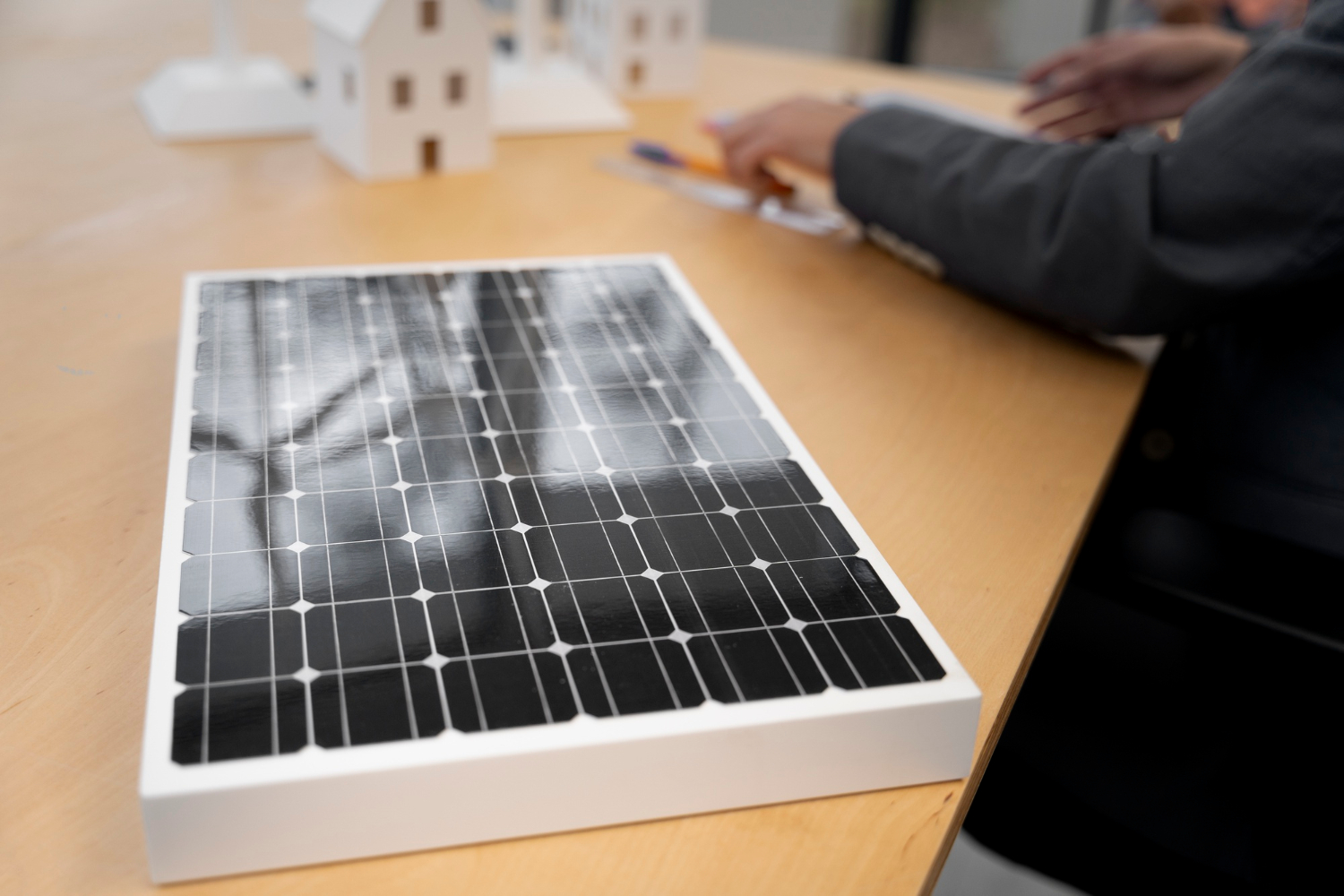
Every household uses electricity differently. Family size, daily routines, appliance usage, and future energy needs all influence how much electricity a solar system should produce. A site assessment helps solar companies gather the information needed to design an appropriately sized system. They often review historical electricity consumption alongside available roof space and expected solar production. Oversized or undersized systems may not provide the desired long-term results. Careful planning helps create a balanced system that aligns with the homeowner’s energy goals while making effective use of available installation space.
Supporting Long-Term System Performance
A solar energy system is expected to operate for many years, making long-term performance an important priority from the very beginning. Site assessments contribute directly to this objective by helping optimize every stage of system planning. Accurate evaluations improve panel placement, electrical integration, structural support, and production estimates. They also reduce the risk of avoidable performance issues caused by improper installation decisions. Careful preparation creates a stronger foundation for reliable energy generation throughout the system’s expected lifespan. Investing time in thorough planning often leads to better long-term results than attempting to install equipment without fully understanding the property’s conditions.
Detailed site assessments are an essential part of every successful solar installation. By evaluating sunlight exposure, inspecting roof conditions, reviewing electrical systems, designing the appropriate system size, identifying installation challenges, and supporting long-term performance, solar companies create systems that are better suited to each property’s individual characteristics. Understanding why solar companies perform detailed site assessments before installation demonstrates that successful solar projects begin long before the first panel is installed. Careful planning helps homeowners receive systems that operate safely, perform efficiently, and continue producing renewable energy for many years while supporting long-term energy goals.